 The Ordinary Harvest
How to Wash Fruit and Vegetables Safely
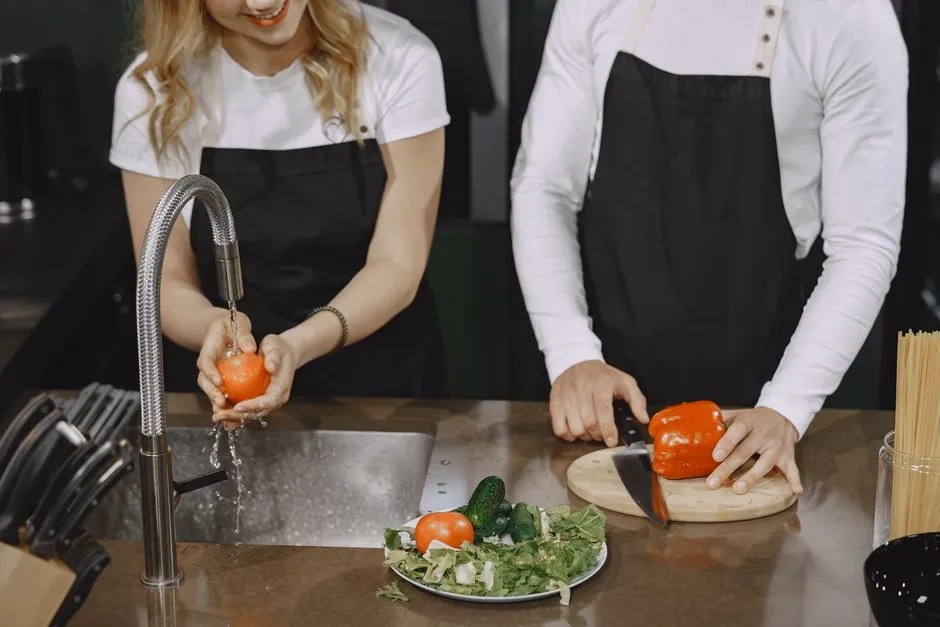
- Plain running water is the main event
- Set up a clean route from sink to board
- The six-step method
- Wash produce even when the peel is not eaten
- Leafy greens need gentle separation
- Berries prefer a brief, gentle rinse
- Mushrooms need water, not folklore
- Do not use soap, bleach, or detergent
- Vinegar and baking soda are not required
- Washing cannot rescue spoiled or recalled food
- Wash now or later?
- A produce-washing station that stays useful
Plain running water is the main event
Wash fresh fruit and vegetables under plain running water before preparing or eating them, including produce you plan to peel. First wash your hands with soap and warm water for at least 20 seconds. Rub produce gently under the tap, use a clean vegetable brush on firm items, remove damaged areas, and dry with a clean cloth or paper towel.
Do not use dish soap, detergent, bleach, or homemade sanitising solutions on food. FDA also does not recommend commercial produce wash. Washing reduces dirt and bacteria that may be present; it does not sterilise produce or replace refrigeration, clean tools, separation from raw meat, and recall awareness.
The method is deliberately ordinary. Your cucumber does not need a spa package.
Set up a clean route from sink to board
Start by clearing the sink and counter. Wash cutting boards, knives, colanders, brushes, and prep surfaces with hot soapy water, then rinse as appropriate. If those tools previously touched raw meat, poultry, seafood, eggs, or dirty packaging, clean and sanitise them using current food-safety guidance before produce arrives.
Wash your hands for at least 20 seconds with soap and warm water before and after preparing fresh produce. Soap is excellent for hands because you rinse it from nonporous skin. That does not make it suitable for porous strawberries.
Keep washed produce away from raw animal foods and their juices. Use separate boards where practical, or clean and sanitise between tasks. A beautiful organic tomato gains nothing from sitting in the chicken-juice district of the counter.
The six-step method
FDA’s produce-cleaning guidance can be turned into a simple kitchen sequence:
- Inspect. Discard rotten produce. Cut away damaged or bruised areas before preparing or eating.
- Rinse before peeling. Hold the whole item under running water so a knife does not drag surface contamination into the flesh.
- Rub gently. Use clean hands to rub the surface while water flows over it.
- Brush firm produce. Scrub melons, cucumbers, potatoes, carrots, and other sturdy surfaces with a clean produce brush.
- Remove outer leaves. Discard the outermost leaves of lettuce or cabbage heads.
- Dry. Use a clean cloth or paper towel. Drying removes water and can further reduce bacteria on the surface.
Cool running water is comfortable and protects texture. Pressure should be firm enough to move soil but gentle enough not to bruise the food. There is no official requirement to time each apple like a handwash; complete surface contact and rubbing matter more than a ceremonial countdown.
Wash produce even when the peel is not eaten
Melon, avocado, pineapple, citrus, squash, and banana skins can carry dirt or microbes. A knife passes through the outside on its way to the flesh. Rinsing first reduces the chance of carrying contamination inward.
For firm rinds such as melon, rinse under running water and scrub with a clean brush, then dry. Use a clean knife and board. Refrigerate cut melon and other perishable cut produce promptly.
Do not wash produce in a sink full of standing water. The sink may carry contamination, and shared water can move it from one item to another. A clean colander under a flowing tap gives water somewhere to leave, which is one of water’s better qualities.
Leafy greens need gentle separation
For an intact head of lettuce, cabbage, kale, or similar greens, remove damaged and outer leaves. Separate the leaves, rinse them under running water, and gently rub areas where soil collects. Drain in a clean colander or salad spinner and dry thoroughly.
Do not cram an entire head into a full sink and consider the submerged middle interviewed. Water needs to reach the leaf surfaces. Several small batches are easier to inspect and dry.
Packaged greens labelled “pre-washed,” “triple washed,” or “ready-to-eat” should be handled according to their package directions. Rewashing can expose them to a dirty sink, hands, or equipment. If you choose to rewash, make the surrounding setup scrupulously clean and avoid cross-contamination.
Higher-risk diners—including pregnant people, older adults, young children, and people with weakened immune systems—should follow current FDA and clinician advice about raw produce. Washing reduces risk but cannot make a raw leaf sterile.
Berries prefer a brief, gentle rinse
Sort berries and discard mouldy, leaking, or badly damaged pieces. Place a small batch in a clean colander and rinse gently under cool running water, moving them carefully so water reaches the surfaces. Drain and spread on a clean towel to dry.
Wash berries shortly before eating rather than routinely soaking them before storage. Lingering moisture encourages softening and mould. Store dry berries refrigerated in a clean container with some airflow, following package directions.
One mouldy berry may have neighbours with hidden growth, especially in soft, high-moisture fruit. When in doubt, discard affected and adjacent spoiled fruit rather than performing surgery with optimism.
Mushrooms need water, not folklore
Brush away obvious soil, then rinse mushrooms briefly under running water and pat them dry. Do not soak them for a long period. A quick rinse does not doom a mushroom; leaving it wet in a bowl does make browning harder.
Trim damaged stem ends with a clean knife. If the mushrooms are headed for the roasted vegetable grain bowls, dry surfaces are especially important because roasting needs evaporation before browning can begin.
Do not use soap, bleach, or detergent
FDA advises against washing produce with soap, household detergent, or commercial produce wash. Its current safe produce selection and serving guidance explains that produce is porous, soap or detergent residues can be absorbed, and commercial wash safety and effectiveness are not established for this use.
Never apply bleach or disinfecting cleaner to food. Never mix bleach with vinegar, ammonia, acids, or other cleaners; dangerous gases can form. Household surface disinfectants belong on compatible surfaces according to their labels, not in a salad bowl.
If someone has already washed produce with soap or a chemical solution, do not improvise a rescue based on smell. Contact your local poison-control service or appropriate health authority for case-specific advice, especially if anyone ate it or feels unwell.
Vinegar and baking soda are not required
Online methods often prescribe vinegar, salt, or baking-soda baths with confident ratios and promises about pesticides or microbes. FDA’s home method remains plain running water, rubbing, brushing firm surfaces, and drying. A kitchen mixture cannot guarantee sterilisation or removal of every residue.
Vinegar may change flavour and texture. Baking soda can leave residue. Either introduces a concentration, contact time, and rinsing variable that most home cooks do not validate. More steps are not automatically more safety; sometimes they are merely more bowls.
If residue concerns influence what you buy, use trustworthy regulatory information and supplier transparency. Organic certification is meaningful but does not mean pesticide-free; our organic-versus-natural guide explains that boundary.
Washing cannot rescue spoiled or recalled food
Discard produce that is rotten, slimy, extensively mouldy, or smells clearly spoiled. Cut away small bruised or damaged areas on otherwise sound produce before use, but do not rinse a decomposing item and declare the investigation closed.
Check official food-recall notices in your country. If produce is named in a recall, follow the recall instructions; washing is not a workaround. Preserve packaging and lot information if authorities request it, and clean areas that contacted the recalled product as directed.
Washing also cannot remove contamination that has entered plant tissue or guarantee removal of every surface microbe. Food safety is a layered practice:
- buy sound produce from responsible sources;
- keep pre-cut and perishable produce cold;
- wash hands and tools;
- rinse whole produce under running water;
- prevent contact with raw animal foods;
- cook when the recipe and diner’s needs call for it;
- refrigerate cut and cooked produce promptly.
No single layer gets to wear the superhero cape.
Wash now or later?
Wash just before preparation or eating unless you can dry the produce thoroughly and have a specific storage method. Extra moisture speeds deterioration for berries, leafy greens, mushrooms, and many delicate items.
For meal prep, wash, dry, cut, and refrigerate in clean covered containers. Keep the refrigerator at 40°F (4°C) or below. Date containers and use delicate cut produce promptly. Exact shelf life depends on the item, starting condition, handling, and packaging; do not invent a universal seven-day promise for everything green.
Cooked produce and grain dishes should be refrigerated within two hours, or within one hour above 90°F (32°C), then used within 3–4 days. That applies to the grain-bowl recipe and to cooked green lentils, not to every whole raw vegetable.
A produce-washing station that stays useful
Keep one brush only for produce and clean it regularly. Replace it if bristles loosen, odour persists, or the body cracks. Store it where it can dry rather than face-down in a puddle.
Place clean towels within reach before wet hands start opening drawers. Keep a colander and salad spinner clean and accessible. Small changes reduce the temptation to set washed food on the same packaging or surface it just left.
Then stop. You do not need an ultraviolet wand, a proprietary potion, or a cucumber whisperer. Clean hands, clean tools, running water, friction, drying, cold storage, and sensible separation form an unglamorous system—which is fortunate, because dinner happens more often than glamour.
Frequently asked questions
Should I wash vegetables with vinegar or baking soda?
FDA’s home guidance is to wash produce under plain running water; it does not require vinegar or baking soda. Kitchen mixtures are difficult to standardize and are not substitutes for safe sourcing, refrigeration, clean hands, or avoiding cross-contamination. If dirt remains, rub the surface or use a clean brush on firm produce. Never mix household chemicals, and never use bleach on food.
Can I wash fruit with dish soap?
No. FDA advises against soap and household detergent because produce is porous and can absorb residues that may make you ill. Commercial produce washes are also not recommended in its consumer guidance. Hold fruit under running water, rub gently, use a clean brush only on firm skins, and dry with a clean towel. Soap belongs on your hands and food-contact tools, not the apple.
Do I need to wash organic produce?
Yes. Organic certification concerns production and handling rules; it does not make produce sterile or eliminate dirt, microbes, handling contamination, or every permitted pest-control substance. Wash organic, conventionally grown, farmers’ market, garden, and store produce under running water before preparing or eating it. Follow package directions for products specifically labeled pre-washed or ready-to-eat.
Should I wash berries before storing them?
Usually wash berries shortly before eating because extra surface moisture can accelerate softening and mould during storage. Refrigerate them dry in a clean, breathable container, discard mouldy or leaking berries, then rinse gently under cool running water and dry carefully before serving. If a package provides different handling directions, follow them. Anyone at higher risk from foodborne illness should use current clinician and FDA guidance.
Why wash a melon or avocado if I do not eat the peel?
A knife can carry dirt and bacteria from the outside through the flesh as it cuts. FDA therefore advises rinsing produce before peeling or cutting, including items with inedible rinds. Rub under running water and scrub firm produce such as melons with a clean vegetable brush. Dry it, use a clean knife and board, and refrigerate cut produce promptly.
Does washing remove all bacteria and pesticide residue?
No. Washing under running water can reduce dirt, bacteria, and some surface residues, but it does not sterilize produce or guarantee removal of every residue. Cooking can reduce some microbial risks but is not appropriate for every fruit or salad. Combine washing with refrigeration, clean hands and tools, separation from raw meat, safe sourcing, recall awareness, and discarding rotten produce.