 The Ordinary Harvest
Organic vs Natural Food Labels: What They Mean
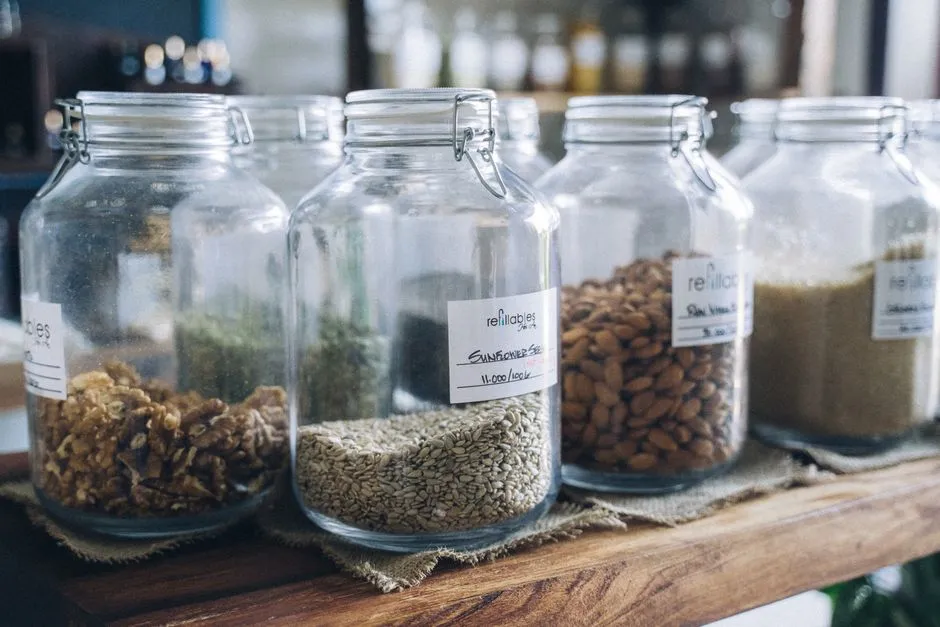
- Organic is a standard; natural is not its understudy
- The useful comparison in one table
- What “100 percent organic” means
- What a product labelled “organic” means
- “Made with organic” starts at 70%
- Below 70%, look for specific ingredients
- Organic does not mean pesticide-free
- “Natural” on most food has narrower meaning than it sounds
- Meat and poultry use a separate natural policy
- The ingredient list still does the heavy lifting
- Choose where organic matters to you
- A five-question label check
Organic is a standard; natural is not its understudy
On U.S. food labels, organic connects to USDA production, handling, certification, and composition rules. Natural does not mean organic, pesticide-free, healthier, minimally packaged, locally grown, or morally superior to a biscuit wearing ordinary trousers.
For most human foods regulated by FDA, “natural” has no formal regulatory definition. FDA has a longstanding policy about artificial or synthetic additions that would not normally be expected in the food, but that policy was not designed to address farming methods, processing methods, nutrition, or health benefit. Meat and poultry use a separate USDA FSIS approach.
If you want to know what a package promises, read the exact claim, the ingredient list, the Nutrition Facts panel, the allergen statement, and the certifier line. The front panel is an introduction, not sworn testimony.
The useful comparison in one table
| Claim on a U.S. package | What it chiefly addresses | Numeric threshold | USDA organic seal? | What it does not prove |
|---|---|---|---|---|
| “100 percent organic” | Organic ingredients and processing aids under USDA rules | 100% of counted ingredients | Allowed, optional | Better nutrition or zero risk |
| “Organic” | USDA-certified composition, production, and handling | At least 95% certified organic, excluding salt and water | Allowed, optional | Pesticide-free or local |
| “Made with organic …” | Named organic ingredients or food groups under USDA rules | At least 70% certified organic, excluding salt and water | Not allowed | That the whole product is organic |
| Specific organic ingredient only | Identified certified ingredient in a product below 70% organic content | No whole-product threshold claim | Not allowed | That other ingredients are organic |
| “Natural” on most FDA-regulated human food | A longstanding policy about unexpected artificial or synthetic additions | No organic-content percentage | No, unless separately eligible as organic | Production method, nutrition, or health benefit |
| “Natural” on meat or poultry | No artificial ingredient or added colour and only minimal processing, with explanation | No organic-content percentage | No, unless separately eligible as organic | Organic raising practices or antibiotic claims |
These are summaries, not a replacement for the regulations. USDA’s current organic labeling guide explains the categories and permitted label elements. Rules can change, and specialised products such as alcohol have additional requirements.
What “100 percent organic” means
The strictest USDA composition category is “100 percent organic.” All counted ingredients and processing aids must be certified organic. Salt and water are excluded from the organic percentage calculation and cannot themselves be labelled organic.
Eligible products may display the USDA organic seal, though the seal is optional. The label also identifies the certifying agent as required. A bag of a single certified organic agricultural ingredient may fit this category, as can a qualifying multi-ingredient product.
The phrase still does not mean “100 percent nutritious,” “100 percent sustainable under every possible measure,” or “100 percent free of contamination.” Certification answers a defined production-and-handling question. It does not volunteer for every other question in the supermarket.
What a product labelled “organic” means
A packaged product presented simply as “organic” must contain at least 95% certified organic content, excluding salt and water. The remaining portion is not a loophole-shaped party: it must meet detailed constraints involving allowed nonagricultural ingredients and the availability of certain nonorganic agricultural ingredients.
This category may display the USDA organic seal. Organic ingredients must be identified in the ingredient statement, and the certifier statement belongs on the information panel.
Do not translate “at least 95% organic ingredients” into “95% healthier.” The percentage is a composition rule. Nutrition depends on the actual food and serving context. Organic sugar remains sugar; an organic cookie has not been deputised as a vegetable.
“Made with organic” starts at 70%
The “made with organic” category requires at least 70% certified organic ingredients, again excluding salt and water. Under the detailed wording rules, the front panel may name up to three organic ingredients or food groups—for example, “made with organic oats and apples.”
The finished product cannot be presented simply as organic, and it cannot use the USDA organic seal. The ingredient statement identifies which ingredients are organic, and a certifier statement is required.
That distinction matters when two packages use green fields and generous typography. One may be certified in the 95%-plus “organic” category; another may contain a named organic ingredient in the 70%-plus category. The pastoral artwork has no vote.
Below 70%, look for specific ingredients
A product containing less than 70% organic content may identify particular certified organic ingredients in its ingredient list, subject to the rules. It cannot use the USDA organic seal or make the whole product look certified organic on the principal display panel.
This can still be useful information. Perhaps the ingredient you care about is the one sourced organically. It simply does not elevate every other ingredient by proximity. Read the asterisks and the certifier information instead of letting one adjective spread through the package by osmosis.
Organic does not mean pesticide-free
USDA organic standards regulate which materials and practices producers may use. Most synthetic substances are prohibited unless specifically allowed on the National List, while nonsynthetic substances are generally allowed unless specifically prohibited. USDA’s explainer on substances in organic crop production describes those categories and gives examples.
Therefore, “organic” does not mean no pesticide or pest-control material was used. It also does not guarantee that no residue, soil, dirt, microbe, or post-harvest contamination could be present. Wash organic and conventionally grown produce using the same food-safety method. Our guide to washing fruit and vegetables begins with running water, not label prestige.
The honest version is specific: organic certification limits and governs inputs and methods under a defined standard. “Chemical-free” is not a serious description of food; food, water, and your favourite wooden spoon are all made of chemicals.
“Natural” on most food has narrower meaning than it sounds
FDA says it has not established a formal definition of “natural” through rulemaking for human food labeling. Its longstanding natural-label policy has considered the term to mean that nothing artificial or synthetic, including colour additives, has been included or added when it would not normally be expected in that food.
FDA also explains what that policy did not address: food-production methods such as pesticide use, processing or manufacturing methods such as pasteurisation or irradiation, and whether “natural” carries nutritional or health benefit.
So a natural claim should not answer questions it was never built to answer. It does not tell you the added-sugar amount, sodium, fibre, allergen status, farm location, labour practice, genetic-engineering status, animal-raising conditions, or carbon footprint. Some of those may appear as separate, substantiated claims. If they matter, look for them directly.
Meat and poultry use a separate natural policy
USDA’s Food Safety and Inspection Service oversees meat and poultry labeling. FSIS describes a product labelled natural as containing no artificial ingredient or added colour and being only minimally processed. The label must include an explanatory statement such as “no artificial ingredients; minimally processed.” The agency’s meat and poultry labeling terms explains that usage.
Again, this is not the same as organic certification. A natural meat label alone does not establish how the animal was raised, whether antibiotics were used, whether feed was organic, or whether the product meets a particular nutrition goal. Those claims need their own evidence and wording.
The ingredient list still does the heavy lifting
Ingredients are generally listed in descending order by weight. Use that order to see what the food substantially contains. A front label may celebrate organic blueberries while the ingredient list shows that flour and sugar make up more of the product. That is not automatically deceptive; it is simply why the entire label exists.
Check for:
- which ingredients carry the word “organic” or an explained asterisk;
- the certifier statement on an organic product;
- added sweeteners appearing under several names;
- oils, salt, and ingredients relevant to your preferences;
- a “Contains” statement and allergen information;
- serving size and nutrients relevant to your needs.
Natural flavour is an ingredient-declaration category, not a promise that the whole product is natural, simple, organic, or allergen-free. Likewise, an ingredient with a long name is not dangerous merely because spelling it requires commitment. Evaluate the ingredient and the evidence, not its syllable count.
Choose where organic matters to you
Organic products can cost more, though prices vary by food, season, shop, place, and promotion. You do not need a universal all-organic rule to make a coherent choice. Decide which production attributes matter most, compare the actual label, and work within your budget.
A practical hierarchy might be:
- Buy enough nourishing food that you will actually cook and eat.
- Prioritise quality, freshness, and reduced waste.
- Choose certified organic versions where the standard aligns with your values and the cost works.
- Wash, store, and cook both organic and conventional food safely.
The green-lentil method works with either certified organic or conventional lentils. The roasted vegetable grain bowls make the same point more colourfully: correct cutting, seasoning, and heat remain responsible for dinner.
A five-question label check
When the front of a package starts glowing with moral sunlight, ask:
- What exact words are used? “Organic,” “made with organic,” and “natural” are not interchangeable.
- Is there a USDA organic seal and certifier statement? The seal is optional for eligible categories, but its presence has rules.
- Which ingredients are identified as organic? Read the ingredient statement and its symbols.
- What question am I trying to answer? Production method, nutrition, allergens, animal raising, and environmental impact require different evidence.
- Would I still choose this food without the front-panel adjective? Taste, use, price, and waste matter too.
There is no need to sneer at a value-aligned label, and no need to kneel before it. Organic certification provides meaningful, bounded information. Natural language may provide narrower information. A calm reader lets each claim do its own job—and refuses to hire it for three more.
Frequently asked questions
Does USDA Organic mean 100% organic ingredients?
Not always. “100 percent organic” and “organic” are separate U.S. labeling categories. A multi-ingredient product labeled “organic” must contain at least 95% certified organic ingredients, excluding salt and water, with the remainder constrained by USDA rules. Only the “100 percent organic” category requires all counted ingredients and processing aids to be certified organic. Read the category wording and ingredient statement.
Can “made with organic” products use the USDA seal?
No. A product in the “made with organic” category must contain at least 70% certified organic ingredients, excluding salt and water, and may name up to three organic ingredients or food groups under detailed rules. It cannot display the USDA organic seal or represent the finished product simply as organic. The certifier and marked organic ingredients should appear in the required label information.
Does organic mean pesticide-free?
No. USDA organic crop rules prohibit most synthetic substances but allow specified substances on the National List; some nonsynthetic substances are prohibited. Organic production therefore does not mean no pesticide was ever used, no residue is possible, or no safety risk exists. Wash organic and conventionally grown produce under running water, and use certification—not a pesticide-free assumption—to interpret the label.
Is food labeled natural automatically healthier?
No. FDA’s longstanding natural-label policy for most human food concerns artificial or synthetic additions that would not normally be expected; it was not designed to establish nutritional benefit, pesticide practice, processing method, or overall healthfulness. A naturally described product can still be high in sodium, added sugar, or saturated fat. Use the Nutrition Facts panel, ingredient list, serving context, allergens, and your needs.
Is natural meat labeled under the same policy?
Meat and poultry are overseen by USDA FSIS rather than the FDA policy used for most other human foods. FSIS describes a natural meat or poultry product as containing no artificial ingredient or added color and being only minimally processed; its label needs an explanatory statement. That claim does not automatically mean organic, pasture-raised, antibiotic-free, nutritionally superior, or suitable for a particular diet.
Are organic foods always more nutritious?
Organic certification describes production and handling standards, not a guaranteed nutrient advantage for every food. Variety, cultivar, soil, harvest timing, storage, processing, preparation, and the rest of the meal all affect what reaches the plate. Choose organic when its regulated production attributes matter to you and fit your budget, but do not treat the seal as a medical promise or a substitute for dietary advice.