 The Ordinary Harvest
How to Store Fruit and Vegetables: Fridge or Counter?
- Start with four storage zones
- The fridge, counter, and cupboard chart
- Refrigerate cut produce first
- Let ripening fruit finish on the counter
- Use the crisper drawers deliberately
- Keep ethylene producers away from sensitive vegetables
- Store roots, bulbs, and hard squash with air around them
- Wash just before use, then dry well
- Decide whether to trim or toss
- Build a five-minute grocery routine
Start with four storage zones
Store most leafy greens, berries, mushrooms, carrots, celery, broccoli, and other perishable produce in a refrigerator at 40°F (4°C) or below. Let avocados, pears, peaches, nectarines, kiwi, mangoes, bananas, and tomatoes ripen on the counter. Keep potatoes, onions, garlic, sweet potatoes, and winter squash in a cool, dark, ventilated cupboard. Refrigerate anything sold pre-cut, and move ripe fruit into the fridge when cold storage is the better alternative to waste.
That is the short answer. The useful answer depends on four questions: Is it cut? Is it still ripening? Does it wilt easily? Is it damaged by ordinary refrigerator temperatures? Answer those before looking for a special container.
The fridge, counter, and cupboard chart
This table is a practical home-kitchen synthesis of Penn State Extension's produce storage chart and produce-specific guidance from university postharvest specialists. Package directions take priority, especially for ready-to-eat and pre-cut products.
| Produce | Start here | How to store it |
|---|---|---|
| Lettuce, spinach, kale, and tender herbs except basil | Fridge | Keep dry and protected from airflow in a loose or perforated bag; use the high-humidity crisper. |
| Broccoli, cauliflower, Brussels sprouts, carrots, beets, turnips, celery, asparagus, green beans | Fridge | Use the high-humidity crisper or a loose bag that limits water loss without trapping condensation. Remove leafy tops from roots. |
| Berries, cherries, and grapes | Fridge | Keep dry, remove spoiled pieces, and use a breathable container or the original vented pack. |
| Mushrooms | Fridge | Keep dry in the original pack or a paper bag rather than a wet, sealed container. |
| Cucumbers, peppers, eggplant, and summer squash | Fridge | Put them in a warmer part of the fridge and use them before sturdier cold-loving vegetables. |
| Apples and citrus | Fridge for longer keeping | Counter storage is workable for a small amount you will use soon; refrigerate the rest. |
| Avocados, kiwi, pears, peaches, nectarines, plums, and mangoes | Counter, then fridge | Let firm fruit ripen at room temperature, then refrigerate ripe fruit if it will not be eaten promptly. |
| Bananas | Counter | Keep at room temperature. Move them away from produce you do not want to ripen quickly. |
| Tomatoes | Counter | Let them ripen away from direct sun. Keep ripe tomatoes at room temperature for best flavor and use them promptly. |
| Potatoes and sweet potatoes | Cool cupboard | Choose a dark, dry, ventilated place away from heat. Keep them separate from onions. |
| Dry onions and garlic | Cool cupboard | Store with airflow in a dry place. Do not seal them in a damp plastic bag. |
| Winter squash and pumpkins | Cool cupboard | Keep dry with air around them; inspect the rind periodically for soft or damaged areas. |
| Any cut, peeled, or packaged produce sold cold | Fridge | Cover it and refrigerate promptly at 40°F (4°C) or below. |
The chart is a starting map, not a promise of a fixed number of days. Variety, ripeness when bought, bruising, refrigerator temperature, packaging, and the heat of the trip home all change how long produce stays good.
Refrigerate cut produce first
Food safety outranks the pursuit of perfect texture. The U.S. Food and Drug Administration says to keep perishable fruits and vegetables in a clean refrigerator at 40°F (4°C) or below and to refrigerate produce bought pre-cut or packaged. A refrigerator thermometer is more useful than trusting the dial.
Put cut melon, sliced tomatoes, chopped vegetables, peeled fruit, and prepared salad into clean covered containers and refrigerate them promptly. Store produce above raw meat, poultry, and seafood, not below packages that could leak. Keep the cutting board and knife used for raw animal foods away from produce that will be eaten raw.
If a package says "keep refrigerated," follow it. If it says "pre-washed" or "ready-to-eat," follow its handling directions rather than adding an unnecessary trip through the sink.
Let ripening fruit finish on the counter
Some fruit continues to soften and develop aroma after harvest. Firm avocados, pears, peaches, nectarines, plums, kiwi, and mangoes belong at room temperature while they ripen. Check them daily. Once ripe, eat them or refrigerate them to slow further change.
A paper bag concentrates naturally produced ethylene and can speed ripening. It is useful when you want an avocado ready sooner, but it is the wrong tool for fruit that is already soft. A plastic bag with no ventilation also traps moisture, which is not the same thing as controlled ripening.
Bananas stay on the counter. Tomatoes do too: UC Davis's tomato guidance places standard ripening around 65-70°F (18-21°C) and explains that extended exposure to colder temperatures can cause chilling injury, including uneven color and poorer flavor development. Keep tomatoes out of direct sun and avoid piling ripe fruit where its own weight can bruise it.
If your kitchen is very hot, ripening will move faster. Buy less at once or transfer ripe fruit to the refrigerator rather than treating a warm counter as a neutral holding zone.
Use the crisper drawers deliberately
A crisper drawer controls airflow, which changes humidity. A closed vent retains more moisture; an open vent lets moist air and ethylene escape.
Colorado State University Extension recommends high humidity for produce that wilts, including asparagus, leafy vegetables, and herbs, and low humidity for produce more prone to rotting, including apples, pears, avocados, and melons. Refrigerator labels vary, so check the manual if the slider only shows symbols.
Use the high-humidity drawer for greens, broccoli, carrots, celery, and similar vegetables. Use the low-humidity drawer for fruit that produces ethylene or becomes overripe quickly. Do not pack either drawer solid. Cold air still needs room to move, and forgotten produce is not being stored so much as being archived.
Moisture should be controlled, not eliminated. Leafy produce loses crispness when exposed to dry refrigerator air. UC Davis researchers note that a thin plastic bag reduces water loss from lettuce. The bag should protect the leaves without holding puddles against them.
Keep ethylene producers away from sensitive vegetables
Ethylene is a natural plant hormone involved in ripening. Apples, pears, bananas, avocados, and ripening tomatoes are common household sources. Lettuce, broccoli, cucumbers, and some other vegetables can deteriorate faster when exposed to it.
You do not need a gadget. Put ripening fruit in a separate bowl, and use separate crisper drawers for fruit and vegetables when possible. UC Davis identifies apples and pears as sources associated with ethylene spotting in lettuce, while its tomato guidance advises separating ripening tomatoes from sensitive lettuce and cucumbers.
Separation matters most when food will sit for several days. A tomato beside a cucumber during dinner preparation is not a storage crisis. A bag of apples shut into the same drawer as a week's greens is the pattern to avoid.
Store roots, bulbs, and hard squash with air around them
Potatoes, sweet potatoes, dry onions, garlic, and winter squash need a cool, dry place with ventilation. A cupboard away from the oven and dishwasher is usually better than a warm countertop or a sealed bag. Darkness helps prevent potatoes from greening.
Keep potatoes and onions apart. A simple way is to give each its own open basket on different shelves. Do not use an airtight container, and do not assume a damp cellar is automatically suitable. Home cupboards rarely match commercial storage conditions, so buy an amount that fits the space you actually have.
Check the basket when you put groceries away. Remove anything leaking, heavily sprouted, mouldy, or soft enough to collapse. One failing item can create moisture and contact damage around it.
Wash just before use, then dry well
Routine washing before storage adds surface moisture to berries, mushrooms, and leafy vegetables. Store them dry unless you have a reason to wash ahead and can dry them completely. When it is time to cook or eat, use the method in our guide to washing fruit and vegetables safely: clean hands, plain running water, gentle rubbing, a clean brush for firm produce, and a clean towel for drying.
Do not use soap, detergent, or bleach on food. FDA guidance says washing can reduce bacteria but does not eliminate it. Washing is one layer alongside cold storage, clean tools, separation from raw animal foods, and cooking where appropriate.
If you prepare vegetables for later, wash, dry, cut, cover, and refrigerate them in one session. Label the container so the oldest prepared food is used first.
Decide whether to trim or toss
A shallow bruise or dry damaged spot on otherwise firm, fresh produce is different from active decay. FDA advises cutting away damaged or bruised areas before preparing or eating and throwing away produce that looks rotten.
Mould needs a stricter rule. The USDA Food Safety and Inspection Service advises discarding mouldy soft, high-moisture produce such as peaches, tomatoes, and cucumbers because contamination can extend below the surface. For a small mould spot on a firm, low-moisture vegetable such as cabbage, a bell pepper, or a carrot, cut at least 1 inch around and below the spot without putting the knife through the mould.
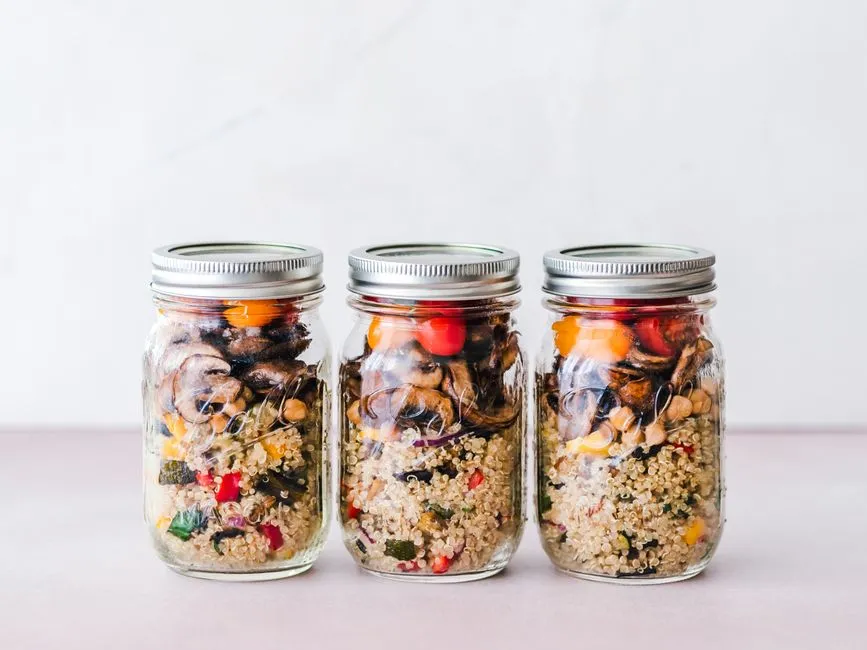
Discard produce that is slimy, leaking, broadly mouldy, foul-smelling, or collapsing. Do not sniff mould. For a berry container, discard mouldy berries and those directly touching them, then inspect the rest closely. When the problem is only a sound but cosmetically awkward carrot or pepper, trim it and send the good part to a meal such as these roasted vegetable grain bowls.
Build a five-minute grocery routine
- Refrigerate pre-cut and perishable produce first.
- Put firm ripening fruit in a counter bowl and ripe fruit where you will see it.
- Divide the crisper drawers into high-humidity vegetables and low-humidity fruit.
- Move potatoes, onions, garlic, and winter squash to separate ventilated cupboard spaces.
- Remove damaged pieces, but wait to wash the sound produce until you use it.
Then plan meals in order of fragility: berries and greens first, sturdy roots and hard squash later. Good storage does not make produce permanent. It buys enough time for the food you chose to become dinner instead of a discovery at the back of the drawer.
Frequently asked questions
Should tomatoes go in the fridge?
Keep tomatoes on the counter while they ripen and use ripe tomatoes promptly for the best flavor. Extended cold storage can cause chilling injury and poorer flavor development. If a fully ripe tomato would otherwise be wasted, refrigeration is a practical short-term fallback; let it warm before eating. Once a tomato is cut, cover and refrigerate it promptly for food safety.
Should I wash vegetables before storing them?
Usually wait to wash produce until just before use because lingering moisture can speed softening and mould, especially for berries, mushrooms, and leafy greens. If you wash ahead for meal prep, dry everything thoroughly, place it in a clean container, and refrigerate it. Wash under plain running water; do not use soap, detergent, or bleach on food.
Which produce belongs in a high-humidity crisper drawer?
Use high humidity for produce that loses water and wilts, such as lettuce, spinach, herbs, asparagus, broccoli, carrots, and celery. A closed crisper vent usually retains more moisture. Use a lower-humidity, more open drawer for ripening fruit such as apples, pears, avocados, and melons, which benefits from moisture and ethylene escaping. Check your refrigerator manual because drawer controls vary.
Which fruits and vegetables should be stored separately?
Keep ethylene-producing fruit such as apples, pears, bananas, avocados, and ripening tomatoes away from sensitive vegetables such as lettuce, broccoli, and cucumbers. Separate fruit and vegetable crisper drawers work well. Also store potatoes separately from onions, and always keep produce above and apart from raw meat, poultry, and seafood so leaking juices cannot contaminate food eaten raw.
Can I cut a soft or mouldy spot off produce?
Cut away an ordinary bruise or dry damaged area from otherwise sound produce. Discard mouldy soft produce such as berries, peaches, tomatoes, and cucumbers because mould can extend below the surface. USDA guidance allows a small mould spot to be removed from a firm, low-moisture vegetable by cutting at least 1 inch around and below it. Discard anything slimy, leaking, broadly mouldy, or rotten.